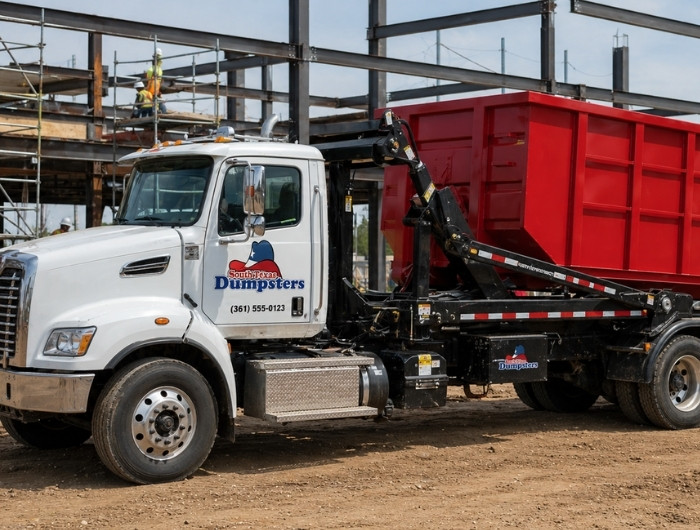
Pipeline construction generates more than one kind of waste, and each kind has different disposal rules. A new water main or sewer line through a developed corridor produces ROW clearing debris, trench spoil, pipe and material installation waste, and sometimes contaminated soil where the corridor crosses older industrial or commercial sites.
Each of those waste streams falls under a different regulatory authority and requires a different set of hauler credentials to legally move off site. For a utility or pipeline project manager running corridor work across South and Central Texas, the planning problem is not just “what container do I need” but “which materials need specialty handling, and does my hauler have the credentials to handle them.”
This article walks through the waste streams a pipeline corridor typically generates, the contaminated soil scenario where TCLP testing and Class 1 / Class 2 classification come into play, and the credentials that matter for which materials.
A utility pipeline project runs through several phases, and each one produces a different debris stream.
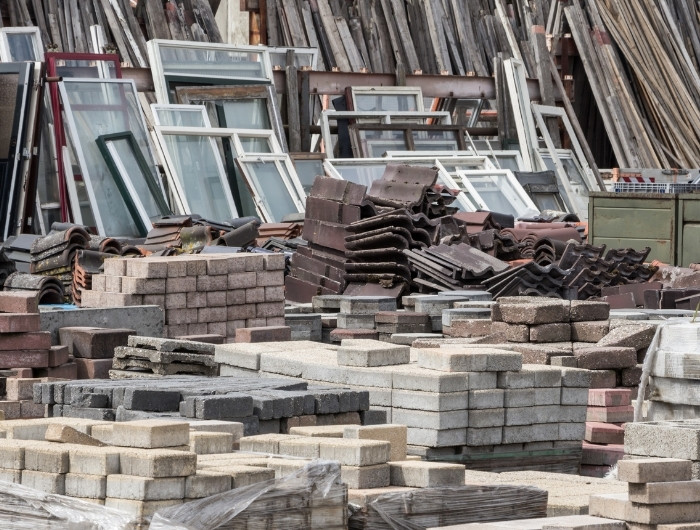
ROW clearing comes first. Vegetation removal, surface debris, and sometimes light topsoil disturbance to open the corridor. Most of this is clean material that can go in a standard roll-off container.
Trench excavation follows. Spoil from a fresh corridor is usually clean fill, but corridors that cross older industrial, commercial, fuel-storage, or prior-utility sites can produce soil that needs testing before it leaves the site.
Pipe and material installation generates the project’s general construction debris. Pipe scraps, packaging, insulation, bedding waste, and broken concrete where existing infrastructure has to be removed for the new corridor.
Existing infrastructure removal is where pipeline projects sometimes hit contaminated material. Old utility pipes that have leaked, decommissioned fuel lines, abandoned tanks, or brownfield development sites all introduce contamination potential. This is where the disposal logistics get more complicated.
Site restoration and final cleanup generates a last debris stream at project closeout, typically standard construction debris and final landscaping waste.
Each of these has a different disposal answer, which is why pipeline waste planning is more involved than picking a container size.
For the standard waste streams (ROW clearing, pipe scraps, packaging, insulation, broken concrete bedding, final cleanup debris), a roll-off container handles the job the same way it would on a general construction project.
South Texas Dumpsters offers 20, 30, and 40 yard roll-offs across the service area; full specifications are on the dumpster sizes hub page, and the same volume-versus-weight logic that applies to mixed construction debris applies here. The renovation dumpster sizing guide covers that decision in depth for mixed-debris jobs.
A few specifics worth flagging for pipeline work. The 10-ton DOT weight cap, set by Texas Transportation Code §621.101, applies to every roll-off regardless of size. Trench spoil and broken concrete are dense enough to hit the cap before a container looks full, so multi-load swap-outs are often more practical than a single large container on heavy debris days.
Accepted materials are the standard non-hazardous construction debris list: concrete, brick, metal, lumber, drywall, insulation, packaging. Hazardous materials (chemicals, oils, solvents, batteries, tires, propane tanks, refrigerants, liquid waste) are not accepted in a standard roll-off and need separate handling.
Trench spoil from a fresh corridor through undeveloped land is almost always clean fill and can be hauled or repurposed without special handling. The complications start when the corridor crosses ground with a history.
Older industrial sites, commercial properties with prior fuel storage, decommissioned utility infrastructure, brownfield redevelopment, and corridors near legacy contamination can all produce soil that cannot legally move as general construction debris. When contamination is suspected, the soil has to be tested and classified before it can be hauled to a disposal facility.
The process runs like this:
For material that exceeds Class 2 classification (true hazardous waste), a specialized hazardous waste hauler is required. If TCLP results come back hazardous on any portion of a project, our team can help direct you to the right licensed provider for that waste stream and continue coordinating the Class 1 / Class 2 non-hazardous portion of the same project.
Our contaminated soil hauling guide walks through the process from a customer perspective in more depth, and our industrial waste disposal covers the related industrial special waste context.
The credential stack maps to the waste streams. A project manager evaluating haulers for a pipeline corridor project should be able to see which credentials cover which materials. South Texas Dumpsters holds the full stack listed below; the complete list with current ID numbers is on the permits page.
EPA ID: Registration with the Environmental Protection Agency for solid waste transport. Required for moving solid waste across state and federal jurisdiction. Applies to every waste stream above.
Railroad Commission of Texas Registration: RRC registration provides oversight for waste operations connected to oil, gas, and pipeline activities. RRC oversight is what makes contaminated soil hauling under the Contaminated Soil Hauling License possible.
IHW Transporter: Authorizes transport of industrial waste classifications (non-hazardous). This is the credential that allows Class 1 and Class 2 non-hazardous special waste, including contaminated soil and sandblast material, to legally move off a job site.
Contaminated Soil Hauling License (Railroad Commission of Texas): Specific authorization to haul contaminated soil under RRC oversight. Required for any project where TCLP testing classifies trench spoil or excavation material as Class 1 or Class 2 non-hazardous.
City of San Antonio Commercial Solid Waste Hauler Vehicle Permit: Required for hauling commercial solid waste within San Antonio city limits, under Chapter 14 of the San Antonio Municipal Code. Applies to any pipeline work inside city limits in Bexar County.
For projects where verifying a hauler’s credentials directly matters, check out our waste hauler verification article.
ROW clearing debris, trench spoil, pipe and material installation waste (pipe scraps, packaging, insulation, bedding waste), existing infrastructure removal debris where the corridor crosses older sites, and final site restoration debris. Each has different disposal logistics, and the trench spoil and existing infrastructure removal phases are where contaminated material most often surfaces.
Clean fill from a fresh corridor through undeveloped ground usually does not need testing. Trench spoil from corridors crossing older industrial, commercial, fuel-storage, or prior-utility sites may require TCLP testing before disposal. When in doubt, testing before hauling is the safer path, since material that turns out to need a Class 1 or Class 2 classification cannot legally move as general construction debris.
Class 1 and Class 2 are non-hazardous industrial waste classifications under TCEQ oversight (30 TAC Chapter 335, Subchapter R). Class 1 is more strictly regulated due to higher contaminant levels and requires disposal at a facility with a dedicated Class 1 cell.
Class 2 covers most industrial nonhazardous waste that does not meet Class 1 criteria and can be disposed of at a wider range of permitted facilities. Either classification requires a hauler with the appropriate credentials (IHW Transporter, Contaminated Soil Hauling License).
At minimum: EPA ID for solid waste transport authority and Texas state-level registration for non-hazardous waste hauling. For contaminated soil specifically, the IHW Transporter credential and the Railroad Commission of Texas Contaminated Soil Hauling License. For work inside San Antonio city limits, the City of San Antonio Commercial Solid Waste Hauler Vehicle Permit. Standard dumpster rental companies typically hold only the city-level permit and cannot legally handle contaminated soil or Class 1 / Class 2 special waste.
Yes, if the hauler holds the full credential stack. South Texas Dumpsters operates under EPA ID, RRC Registration, IHW Transporter credential, the RRC Contaminated Soil Hauling License, and the City of San Antonio Commercial Solid Waste Hauler Vehicle Permit, which covers the full waste stream from ROW clearing through contaminated soil disposal on the same project. The exception is true hazardous waste, which requires a specialized hazardous waste hauler.

For projects involving suspected contaminated soil, reaching out before booking lets the disposal profile get set up in parallel with TCLP testing rather than waiting on results to start coordination. That shortens the gap between testing and hauling and keeps the project moving.
Call (210) 372-8666 to discuss corridor scope, expected waste streams, and timeline, or use the contact form for a custom quote. For the formal service overview, see the pipeline construction rentals service page, or browse the South Texas Dumpsters service areas to confirm coverage.
For mixed-debris construction work that is not pipeline-specific, the renovation dumpster sizing guide covers general sizing logic, and the roofing tear-off dumpster sizing guide covers roofing-specific waste planning.