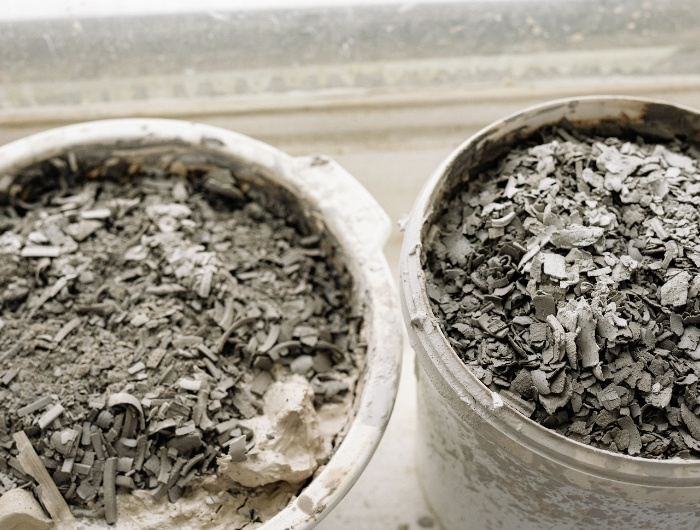
Not all commercial waste is ordinary construction debris, and not all non-standard waste is hazardous. In between sits a category called non-hazardous special waste, and it requires a credentialed hauler. If you are a San Antonio or Austin contractor dealing with material that does not fit the usual construction and demolition profile, the first question is classification. Here is what qualifies as industrial waste disposal under the non-hazardous special waste banner.
Texas classifies waste into several categories based on composition and handling requirements. Ordinary construction and demolition debris, commercial waste, and residential refuse sit on one end. Hazardous waste sits on the other. In between is non-hazardous special waste, covered by Texas state classifications as class 1 non-hazardous and class 2 non-hazardous.
Materials that commonly fall into this category on South Texas job sites include:
Contaminated soil is one of the more common special waste streams and has its own dedicated process involving a TCLP test.
The defining trait of non-hazardous special waste is that it is not regulated as strictly as hazardous waste, but it is still subject to handling requirements a standard dumpster company is not credentialed to meet. Documentation, disposal facility selection, and transport authorization all change once a material moves into this category.
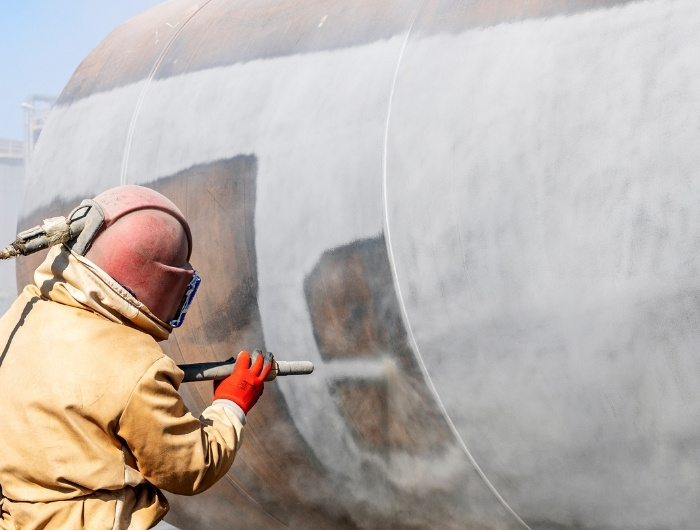
Industrial waste shows up on more South Texas projects than many contractors expect. Here are the scenarios where it tends to appear.
Commercial facility cleanouts in older buildings being repurposed for new use often produce residues from prior industrial operations. Light industrial and manufacturing site renovations generate process materials that do not fit standard construction debris profiles.
Coating and painting operations produce sandblast material that needs proper disposal. Plant and facility maintenance at commercial operations around San Antonio and Austin produces special waste on a recurring basis.
Commercial property sales with pre-closing remediation are another common scenario. A seller clearing a property may need to dispose of legacy materials that were acceptable during operation but require special handling when the site is being repositioned.
In each case, the contractor is usually handling logistics. That also makes the contractor responsible for making sure the waste is classified correctly and hauled by a company credentialed for the material.
A standard roll-off company handles ordinary construction and demolition debris, residential cleanouts, and commercial waste streams with no special classification. That covers most contractor work. Once a waste stream is classified as class 1 or class 2 non-hazardous special waste, the hauler needs specific credentials to legally transport and dispose of it.
Hiring the wrong hauler for a special waste load has practical consequences. Disposal facilities refuse loads that arrive without the right documentation. A standard roll-off company without an EPA ID and IHW Transporter license cannot set up a proper waste profile, which means the material has nowhere legal to go.
The contractor is left with a full container on site and a hauler who cannot finish the job. If the load does get disposed of improperly, enforcement exposure runs back to the generator.
The Disposal Process for Industrial Special Waste
The process follows a consistent flow once the material is identified as non-hazardous special waste:
If testing or profiling reveals the material is hazardous, a specialized hazardous waste transporter is required.

Three state and federal credentials matter most for non-hazardous special waste hauling: the EPA ID for federal waste transport registration, the RRC Registration for Texas-level oversight, and the IHW Transporter license that authorizes hauling of industrial and hazardous-waste-classified non-hazardous materials. The IHW license is the one that distinguishes a special waste hauler from a standard roll-off company.
For San Antonio and Bexar County work, the City of San Antonio Solid Waste Haulers Permit adds the municipal layer. Austin and other South Texas cities have their own local requirements.
South Texas Dumpsters holds EPA ID TXR000083663, RRC Registration RN109046839, IHW Transporter license SWR 96263, and the City of San Antonio Solid Waste Haulers Permit. Call (210) 372-8666 for documentation up front before requesting a quote.
Industrial waste is a broad category covering waste streams generated by industrial, manufacturing, and commercial operations. Hazardous waste is a specific regulatory classification for materials that meet federal or state hazardous criteria based on composition. Not all industrial waste is hazardous. Much of it falls into the non-hazardous special waste category, which requires a credentialed hauler but does not fall under the federal RCRA hazardous waste rules. Material classified as hazardous requires a different hauler with additional federal credentials.
Sandblast material from coating and painting operations generally falls into the class 1 or class 2 non-hazardous special waste category and is hauled under that profile. It is one of the more common industrial waste streams on South Texas commercial and industrial sites. The material requires proper documentation and a credentialed hauler but is handled under the non-hazardous track rather than hazardous waste protocols.
For ordinary construction and demolition debris with no industrial residues, yes. For cleanouts involving sandblast material, manufacturing residues, contaminated soil, or other special waste streams, no. Standard dumpster companies are not credentialed to haul these materials, and loads that arrive at a disposal facility without proper documentation get refused. The safer approach is to call a credentialed hauler early and confirm the material classification before the container is on site.
For contaminated soil, a TCLP test is the standard entry point and is required before the material can be hauled. For other special waste streams, testing and profiling requirements depend on the material type, the source operation, and the receiving disposal facility.
If the material is anything other than ordinary construction and demolition debris, the best practice is to call a credentialed hauler and describe the material before booking. The hauler can tell you whether testing is needed, what profiling is required, and whether the waste falls within what they can legally handle.

If you are not sure what you have, that is the first call to make. Describe the material, the site, and the timeline, and a credentialed hauler can tell you quickly whether the load is ordinary debris, non-hazardous special waste, or something that needs a specialized hazardous waste transporter.
Call South Texas Dumpsters at (210) 372-8666 to walk through your material before booking a container. Early classification saves rework, avoids refused loads, and keeps your paperwork clean for whatever audit or transaction comes after the job.